
Pi Network has introduced several technical updates across its developer tools and products, including improvements to the Developer Portal flow and interface, Launchpad token price tracking in Pi BlockExplorer, AI-Assisted SoloHost app packaging, and PiVerify features.
Together, these improvements make it easier for developers to build on Pi, provide greater visibility into ecosystem activity, and strengthen the network’s underlying infrastructure.
Improved Developer Portal
Pi has updated its Developer Portal with a redesigned interface that makes it easier for developers to configure and manage their applications.
The previous onboarding checklist has been replaced with a dedicated App Configuration section, consolidating settings such as domains, API keys, app wallets, and privacy information in one place. The updated interface also provides clearer navigation to key features and developer resources such as Pi Sign-In, Ecosystem Listing, PiNet, and the Pi Ad Network.
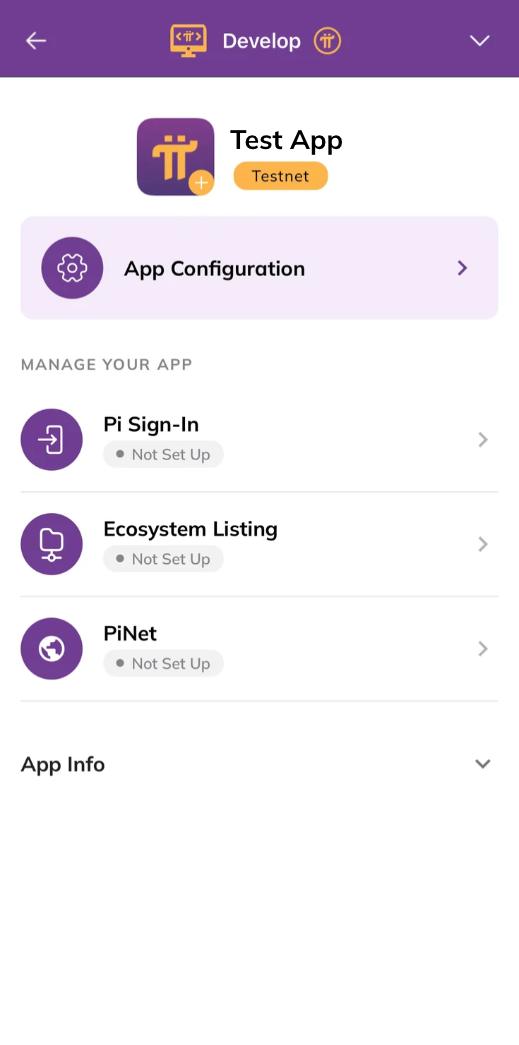
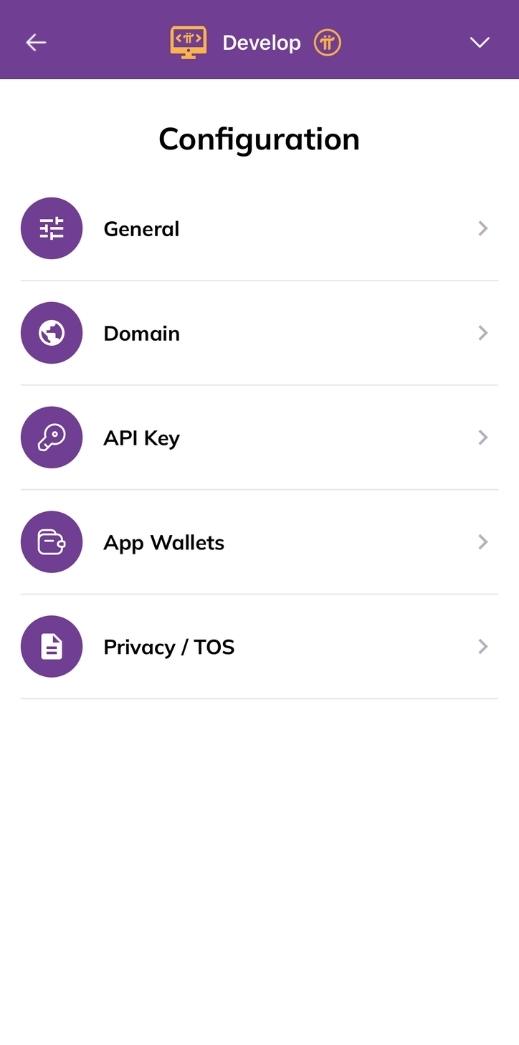
The Developer Portal connects applications to Pi’s broader platform, including user authentication, Pi payments, and ecosystem discovery. By simplifying these processes, the update helps developers more easily integrate Pi functionality, prepare applications for launch, and manage them over time. Alongside Pi’s recently released developer capabilities and unified documentation, these improvements are part of Pi’s broader effort to reduce barriers to app development and enable more applications and utility for Pioneers, while also supporting preparations for the upcoming Ecosystem Summit by making it easier for developers to build and launch apps on Pi.
Token Price Tracking in Pi BlockExplorer
Pi BlockExplorer now includes historical price tracking for Launchpad Testnet tokens, allowing Pioneers and developers to see how tokens such as SLICE change in price relative to Test-Pi over time. Future Mainnet tokens, once the functionality is released, will be tracked in this BlockExplorer interface as well. This builds on the previous Pi Launchpad update, which introduced price charts within the Launchpad app and explained how liquidity pool swaps affect token prices.
The feature supports Pi Launchpad’s broader approach to ecosystem tokens, which are designed to help projects acquire users and integrate tokens into their applications for utility purposes such as access, payments, and rewards. The proceeds of Pi from the launch of their tokens, instead of being taken by the issuing project, will go to a liquidity pool with the ecosystem token which bootstraps a healthy liquidity foundation from the start.
Making this information available through BlockExplorer allows Pioneers and the broader public to view Launchpad Testnet tokens and their price histories without having to access the Pi Browser or a Pi account, increasing visibility into these mechanisms. As with earlier Launchpad Testnet releases, this also supports Pioneer education and helps Pi refine the Launchpad model ahead of the first Mainnet token launch. Note these test tokens are only on Testnet and will never go on Mainnet.
AI-Assisted SoloHost App Packaging
Pi has introduced a new skill in the public SoloHost GitHub repository that enables developers to use AI coding assistants to help prepare applications for publication through SoloHost on Pi Desktop.
Previously, developers had to manually prepare the configuration files required to publish an application through SoloHost. With the new skill, they can provide an existing application’s public Docker image to an AI assistant that supports agent skills, such as Claude Code, Cursor, or Codex, to package their existing app using its public Docker image. The assistant asks which capabilities the app should offer, generates the two required files, docker-compose.yml and config_options.yml, and validates them.
Developers can install the skill from the SoloHost GitHub repository, and then use the generated configuration files to submit their app for publication through SoloHost.
By simplifying the technical work required to package existing applications, this update lowers barriers for developers to bring more self-hosted software to Pi Desktop, further expanding the range of utilities available to Pioneers. Publishing on SoloHost gives developers a way to distribute their applications to Pi’s existing network of over 420,000 Nodes and reach other Pioneers interested in running self-hosted apps on their own computers.
Expanded PiVerify Identity Verification Capabilities
PiVerify is expanding its identity verification services for third-party businesses to include face uniqueness and multiple liveness checks, building on capabilities already used within Pi’s KYC system.
Face uniqueness checks help businesses identify potentially duplicate identities within their user base, while multiple liveness checks allow businesses to request additional verification after a user’s initial identity check. These capabilities support stronger protection against fake accounts, fraud, and abuse, particularly as distinguishing real people from automated or fraudulent activity becomes increasingly important.
As introduced in the Pi2Day 2026 announcement, PiVerify extends Pi’s AI and human-powered identity verification infrastructure to external platforms, enabling businesses to use technology developed through verifying millions of Pioneers. Expanding these services supports real-human verification beyond Pi’s own ecosystem, while third-party clients’ payments in Pi for PiVerify services create additional utility for Pi and help expand the broader network of verified individuals.